


Safety concerns stop more investors than price ever does. You might see the yields, understand the tax benefits, and recognize the opportunity. But one question holds you back. How safe is it to buy property in Dubai?
This concern is valid. You are placing capital into a foreign country with different laws, different customs, and a different regulatory environment.
This guide provides a fact-based risk assessment for 2026. By the end, you will understand exactly what protections exist, what risks remain, and how to invest with confidence.
Dubai’s Regulatory Framework for Property Investors

Dubai did not become one of the world’s top property investment destinations by accident. The government built a regulatory ecosystem specifically designed to attract and protect international capital.
Understanding this framework is the foundation of assessing how safe it is to buy property in Dubai.
The Dubai Land Department
The Dubai Land Department (DLD) is the central authority overseeing all real estate transactions. Every property sale, transfer, mortgage, and ownership record passes through the DLD. The department maintains a permanent, blockchain-backed registry of all title deeds in the emirate.
This registry eliminates title fraud. No competing ownership claims can override a DLD-registered title deed.
International investors enjoy the same legal protections as UAE nationals when purchasing in designated freehold zones.
RERA: The Real Estate Regulatory Agency
RERA operates under the DLD and regulates every participant in Dubai’s property market. Developers must obtain RERA approval before launching any project.
Brokers must hold valid RERA licenses to conduct transactions. Property management companies adhere to RERA compliance standards.
This licensing system creates accountability at every level. Investors dealing with RERA-regulated entities gain a structured framework for dispute resolution.
RERA also publishes market data and transaction records that help investors make informed decisions.
The Escrow Law
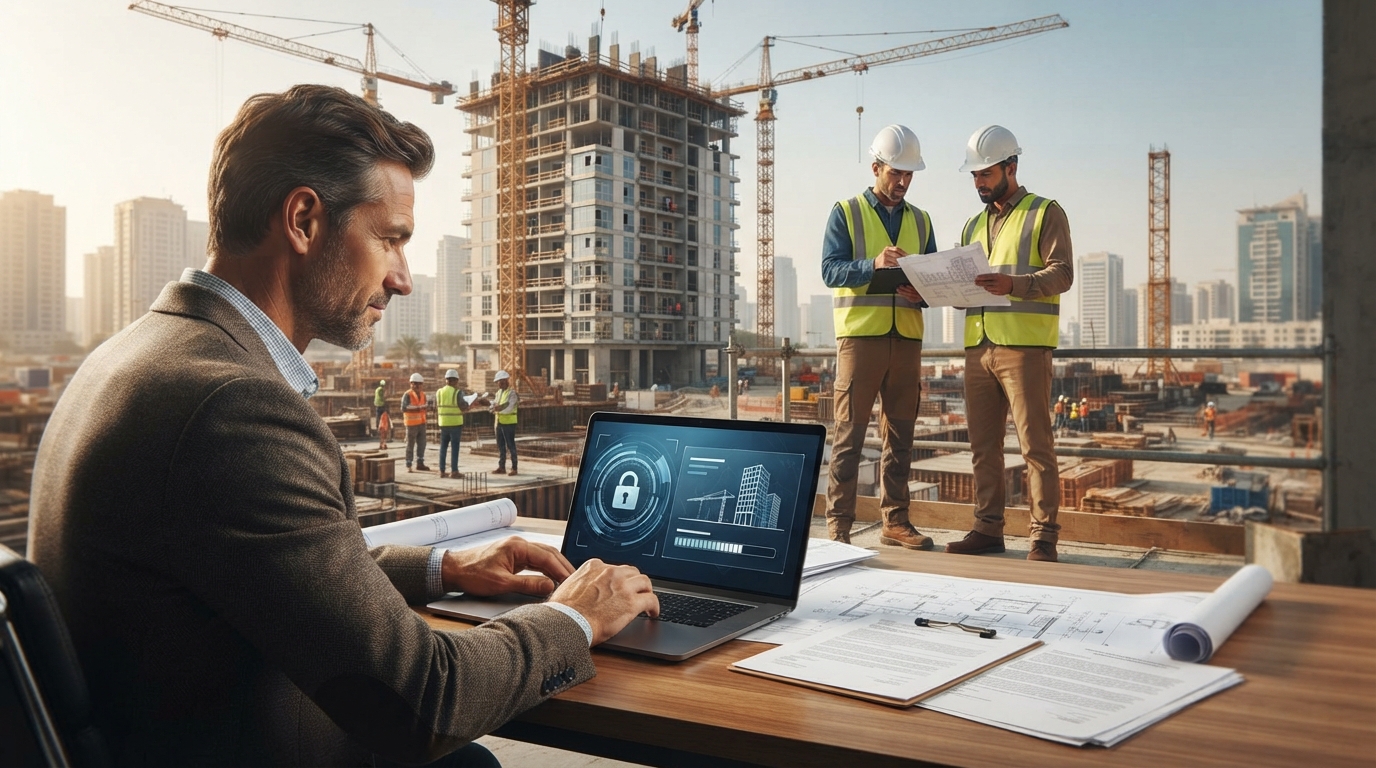
Dubai’s escrow law represents one of the strongest investor protections in global real estate. Law No. 8 of 2007 requires every off-plan developer to deposit buyer funds into a dedicated escrow account.
The developer cannot access these funds until construction milestones verified by independent engineers are met.This single regulation dramatically reduces the risk of developer fraud or misuse of buyer funds.
It directly answers the question of how safe it is to buy property in Dubai for anyone purchasing off-plan. Your money stays protected throughout the construction process.
Market Stability and Economic Foundations
Regulatory protections matter, but market fundamentals determine long-term investment safety. Dubai’s economic foundations provide strong support for property values and rental demand heading into 2026.
Population Growth Drives Demand
Dubai’s population has grown consistently over the past decade. The city attracts professionals, entrepreneurs, and families from across the globe through favorable visa policies.
The Golden Visa program, freelancer permits, and remote work visas continue expanding the resident base.
A growing population directly translates into growing housing demand. This demand supports rental prices and occupancy rates across residential communities.
Investors asking how safe it is to buy property in Dubai should find reassurance in these demographic trends.
Economic Diversification Beyond Oil
The UAE has successfully diversified its economy well beyond oil revenues. Tourism, financial services, logistics, technology, and real estate contribute significantly to GDP.
Dubai specifically positions itself as a global business hub connecting Europe, Asia, and Africa.
This diversification insulates the property market from commodity price swings. Unlike single-industry economies, Dubai’s broad economic base supports sustained growth.
The city’s strategic geographic position ensures continued relevance in global trade and travel.
Currency Stability Through the Dollar Peg
The UAE dirham maintains a fixed peg to the US dollar at 3.67. This peg has held steady since 1997. For USD-based investors, currency risk is essentially zero.
For investors in other currencies, the dollar peg provides predictability that most emerging markets cannot offer.
Currency stability matters significantly for international property investors. Rental income and resale proceeds maintain their value in global purchasing power terms.
This monetary policy decision is one of the strongest foundations supporting how safe is it to buy property in Dubai as a cross-border investment.
Real Risks That Smart Investors Manage

No investment carries zero risk. Honest risk assessment serves investors better than promotional optimism.
Here are the genuine risks that exist and practical strategies to manage each one.
Market Cycle Fluctuations
Dubai’s property market moves in cycles. Prices corrected between 2015 and 2019 before rebounding sharply from 2021 onward. Investors who purchased at peak prices during previous bull runs experienced temporary declines in property values.
Understanding where the market sits in its current cycle matters. Work with experienced advisors who provide data-driven market analysis.
Focus on areas with strong rental demand fundamentals rather than speculative appreciation alone. The pros and cons of buying property in Dubai include navigating these natural cycles wisely.
Oversupply in Specific Segments
Dubai’s ambitious development pipeline occasionally creates temporary oversupply in certain property segments. When too many similar units enter the market simultaneously, rental prices and occupancy rates can dip in affected areas.
The solution is targeted research. Not every community faces the same supply dynamics.
Premium waterfront locations, established family communities, and well-connected metro-adjacent developments tend to absorb new supply faster. Choosing the best areas to buy property in Dubai reduces oversupply exposure significantly.
Developer Quality Variations
Not every developer in Dubai delivers the same quality or adheres to the same timelines. While established names like Emaar, DAMAC, Binghatti, Imtiaz, Ellington, and Omniyat maintain strong track records, smaller or newer developers sometimes face completion delays or quality concerns.
Always verify a developer’s track record before committing. Check how many projects they have completed, whether handovers happened on schedule, and what existing buyers say about build quality. RERA’s public records help investors assess developer credibility.
Service Charge Variability
Annual service charges in Dubai vary widely between communities and buildings. Some premium towers charge AED 30 to AED 40 per square foot annually.
Budget communities might charge AED 10 to AED 15. These ongoing costs directly impact your net rental yield.
Request the current service charge schedule before purchasing any unit. Factor three to five years of projected service charges into your investment model. This ensures your yield calculations reflect reality rather than optimistic estimates.
How Dubai Compares to Other Investment Markets
Comparing Dubai’s safety framework against other popular investment destinations provides a useful perspective. Many investors evaluate multiple markets simultaneously.
Dubai vs. London
London offers deep market liquidity and centuries of property law. However, UK investors face Stamp Duty Land Tax, capital gains tax, and income tax on rental earnings. Entry prices in prime London start significantly higher than comparable Dubai properties.
Dubai offers zero rental income tax, lower entry prices, and higher gross yields. The regulatory framework is newer but purpose-built for international investors.
Both markets offer strong legal protections, though Dubai’s cost efficiency gives it an edge for yield-focused buyers.
Dubai vs. New York
New York property carries some of the highest price-per-square-foot rates globally. Annual property taxes, state income tax, and federal tax obligations erode rental returns substantially. The market offers prestige but demands significant capital.
Dubai eliminates the tax burden entirely. Entry points for quality apartments start from approximately USD 70,000.
Rental yields of 8% to 12% far exceed Manhattan averages of 2% to 4%. For investors asking how safe it is to buy property in Dubai compared to New York, the risk-adjusted returns often favor Dubai.
Dubai vs. Bangkok or Bali
Southeast Asian markets attract investors with low entry prices. However, foreign ownership restrictions in Thailand and Indonesia limit full freehold rights. Legal frameworks in these markets offer less transparency than Dubai’s DLD registry system.
Dubai grants full freehold ownership with permanent title deed registration. The regulatory infrastructure, escrow protections, and dispute resolution mechanisms significantly exceed what most emerging Asian markets currently provide.
Practical Steps to Invest Safely in Dubai

Understanding the regulatory landscape is important. Taking practical precautions makes your investment genuinely secure. These steps apply whether you purchase individually or through a corporate structure.
Verify Every Party’s License
Confirm your broker holds a valid RERA license. Verify the developer’s RERA registration and project approval. Check the escrow account details with the Dubai Land Department. These verifications take minutes and prevent the vast majority of potential problems.
Bright Realty International operates as a RERA-registered entity connecting global investors with verified developers. Every project in our portfolio meets strict due diligence standards before we present it to investors.
Conduct Independent Due Diligence
Never rely solely on marketing materials. Request audited financial statements from the developer. Review the Sales Purchase Agreement with a qualified Dubai property lawyer. Verify the title deed status through the Dubai REST app.
Independent legal review costs between USD 1,000 and USD 3,000 and provides invaluable protection. Consider this expense a standard part of your investment budget, not an optional extra.
Use Escrow-Protected Transactions Only
For off-plan purchases, confirm that your payments go into a RERA-regulated escrow account. The account number should appear on your receipt. Verify the account with the DLD if you have any doubt.
For secondary market (resale) purchases, use a DLD-registered trustee office for the transfer. The trustee ensures both payment and title deed transfer happen simultaneously. This process protects both buyer and seller equally.
Start With Established Developers and Communities
First-time Dubai investors reduce their risk significantly by choosing established developers with proven delivery records.
Emaar’s track record includes Dubai Mall, Burj Khalifa, and dozens of residential communities delivered on time. DAMAC, Omniyat, and Ellington also demonstrate consistent delivery.
Similarly, purchasing in established communities with existing infrastructure, tenants, and amenities reduces uncertainty compared to early-stage developments. You can always explore emerging areas after gaining experience with your first Dubai investment.
Invest in Dubai With Eyes Wide Open
How safe is it to buy property in Dubai? The evidence supports a clear answer. Dubai’s regulatory infrastructure, escrow protections, blockchain title registry, and economic fundamentals create one of the most secure property investment environments globally.
Risks exist in every market. Dubai’s risks are identifiable and manageable through proper due diligence, established developers, and licensed professionals. The city’s zero-tax framework and strong yields reward investors who approach the market with preparation and clarity.
Bright Realty International helps global investors navigate Dubai’s property market with confidence. Access 100+ curated projects from verified developers and start your journey with expert guidance every step of the way. Stay connected with us on Facebook, Instagram, LinkedIn, and Pinterest for the latest opportunities, insights, and updates.
If you want a complete breakdown of risks, legal factors, and expert insights, read the full guide here: Buy Property in Dubai 2026 Risk Guide
Explore secure investment opportunities at Bright Realty International.
Frequently Asked Questions
Is my money safe when buying off-plan property in Dubai?
Yes. Dubai’s escrow law requires developers to hold buyer funds in regulated accounts. The developer cannot access your money until construction milestones are verified by independent engineers. This system protects your capital throughout the building process.
Can the Dubai government take my property?
Freehold ownership in Dubai grants unconditional, permanent rights. Compulsory acquisition for public projects follows strict legal procedures with full market-value compensation. This process mirrors eminent domain protections in Western countries. Standard property ownership faces no government reclamation risk.
What happens if my developer goes bankrupt?
RERA intervenes when developers face financial difficulty. The regulator can reassign the project to another developer, arrange buyer refunds from the escrow account, or facilitate an alternative resolution. Escrow funds remain protected even during developer insolvency.
Do I need a lawyer to buy property safely in Dubai?
A lawyer is not legally required but strongly recommended, especially for first-time international buyers. An independent legal review of your Sales Purchase Agreement protects your interests. Budget USD 1,000 to USD 3,000 for qualified legal advice on your transaction.
How do I verify a broker or developer is legitimate?
Check the RERA broker registry on the Dubai Land Department website. Every licensed broker and approved developer appears in the public database. You can also verify through the Dubai REST app. Bright Realty International assists investors in confirming the credentials of every party involved.