


Ownership security is the first question every serious investor asks. Before committing capital to a foreign country, you need absolute clarity on your rights. Will you truly own the property? Can it be taken away? Does the ownership expire?
The question of whether you can own property in Dubai forever deserves a direct answer. Yes, you can. Dubai’s freehold ownership system grants full, permanent property rights to foreign nationals. This guide explains exactly how it works, where it applies, and what protections exist for global investors in 2026.
How Freehold Ownership Works in Dubai
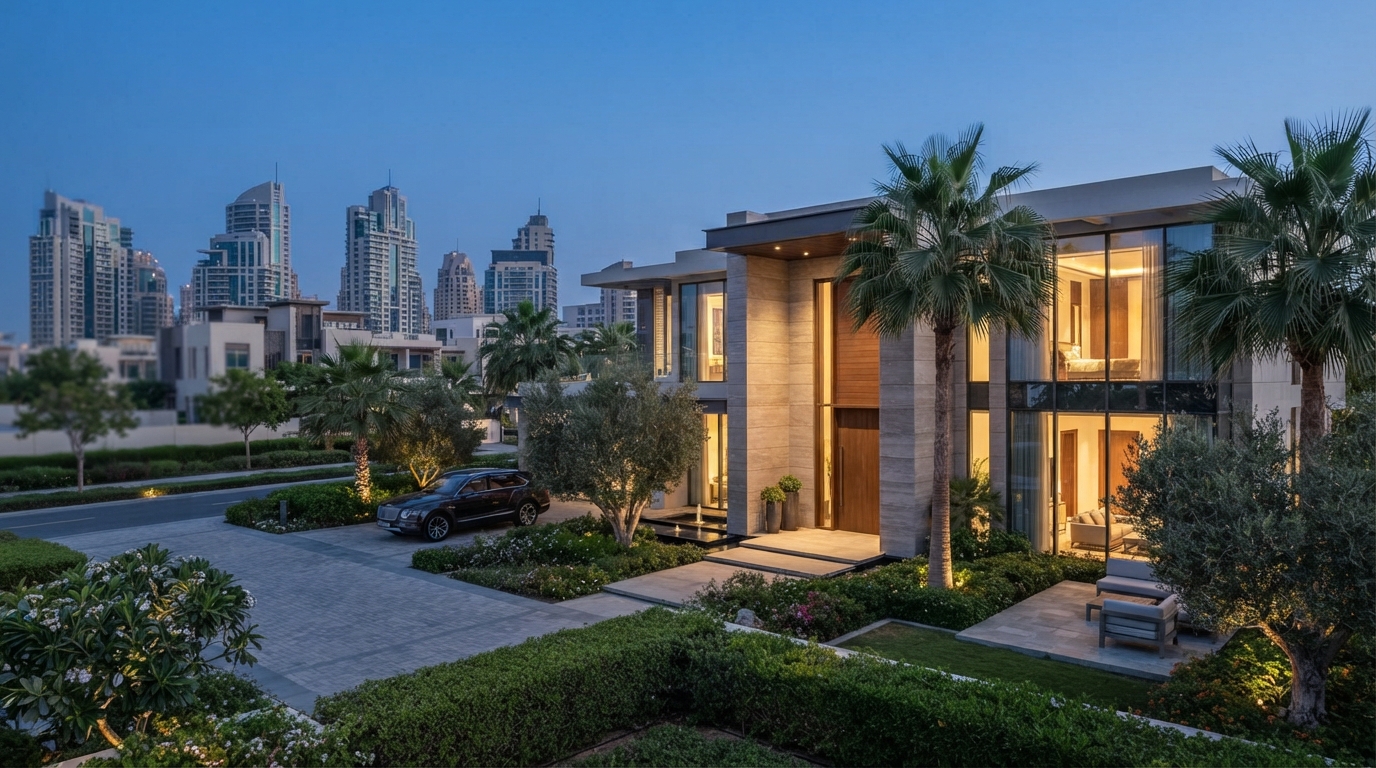
Dubai introduced freehold property ownership for foreign nationals in 2002. Before that, only UAE and GCC nationals could own real estate. The landmark Freehold Law changed everything and opened the market to global investment.
Under this system, foreign buyers receive the same ownership rights as local citizens in designated freehold zones. Understanding this legal foundation is essential for anyone asking whether you can own property in Dubai forever.
The Legal Framework Behind Permanent Ownership
Dubai’s freehold ownership is governed by Law No. 7 of 2006 concerning land registration. The Dubai Land Department administers all property titles and maintains a permanent ownership registry.
When you purchase a freehold property, the Dubai Land Department issues a title deed in your name. This deed confirms your absolute ownership of the unit and your proportional share of common areas. No expiry date appears on the document. The ownership passes to your heirs upon death, just like property ownership in Western markets.
Freehold vs. Leasehold: The Critical Difference
Dubai offers two types of property tenure. Freehold grants permanent, unconditional ownership. Leasehold grants usage rights for a fixed period, typically 10 to 99 years. These two systems create very different investment outcomes.
Only freehold ownership answers the question of whether you can own property in Dubai forever with an unconditional yes. Leasehold properties revert to the landowner at the end of the lease term. Smart investors confirm the tenure type before signing any agreement.
What Exactly Do You Own With Freehold?
Freehold ownership in Dubai includes the physical unit, the airspace within your unit boundaries, and your proportional share of common areas and facilities. For villa purchases, freehold typically includes the land plot as well.
You hold full rights to sell, lease, mortgage, gift, or bequeath the property. No government approval is required for resale. No restrictions limit how long you hold the asset. This level of ownership freedom makes Dubai’s freehold system one of the most investor-friendly in the world.
Where Can Foreigners Own Freehold Property in Dubai?
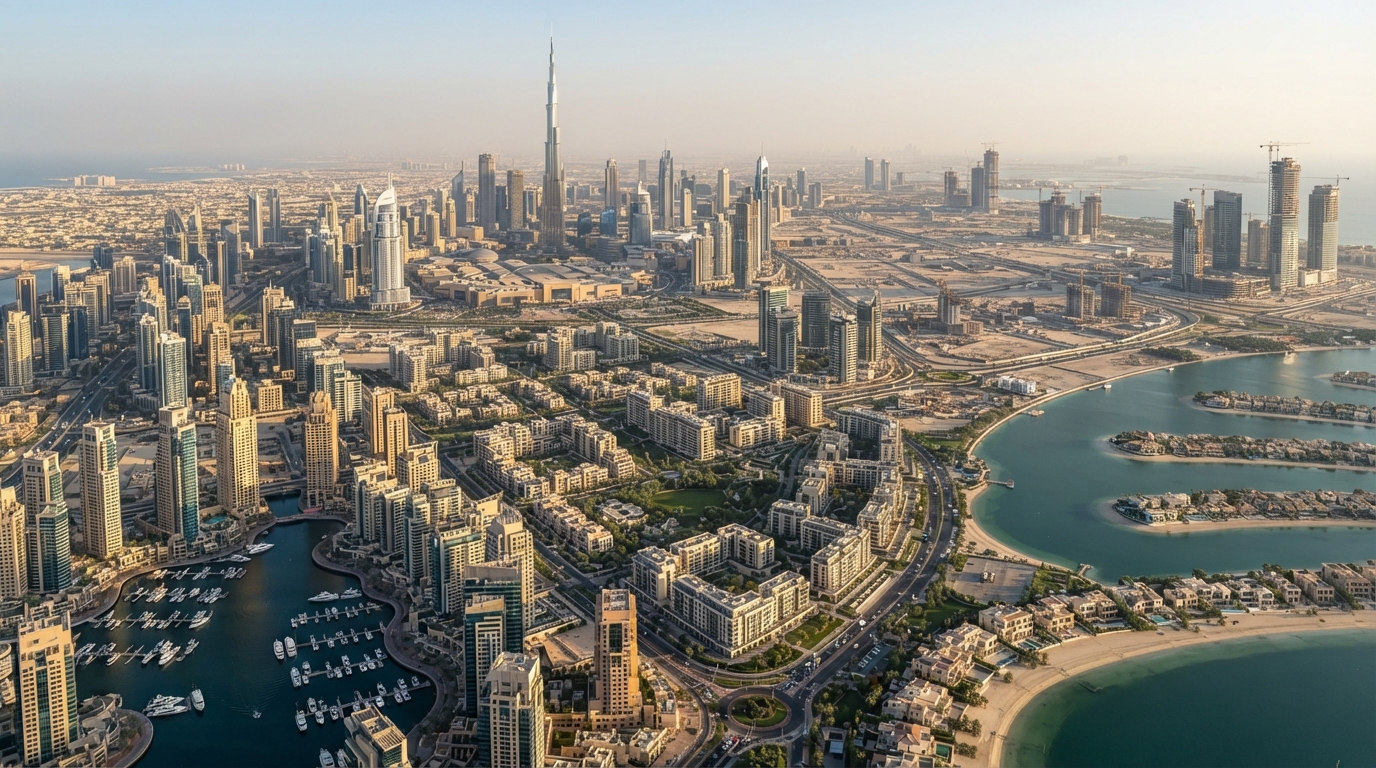
Not every property in Dubai permits foreign freehold ownership. The government designated specific zones where international buyers hold permanent ownership rights. These zones cover most of Dubai’s premium residential and commercial communities.
Premium Freehold Zones
Dubai Marina remains one of the most popular freehold zones among global investors. Its waterfront apartments deliver strong rental demand from professionals and tourists. Yields consistently range between 7% and 9% across the community.
Downtown Dubai offers freehold ownership near the Burj Khalifa and the Dubai Mall. Palm Jumeirah provides iconic waterfront living with villa and apartment options. These flagship communities attract buyers who want both lifestyle appeal and capital appreciation.
High-Yield Freehold Communities
Jumeirah Village Circle (JVC) has emerged as a top-performing freehold zone for yield-focused investors. Affordable entry prices combined with strong tenant demand push rental yields above 8% in many buildings. The community continues expanding with new retail and lifestyle amenities.
Business Bay offers freehold apartments and commercial units near Downtown Dubai. Dubai Hills Estate provides a master-planned community with parks, schools, and retail. Both areas attract long-term tenants, which supports consistent rental income for investors who can own property in Dubai forever.
Emerging Freehold Growth Corridors
Dubai South surrounds Al Maktoum International Airport and the Expo City Dubai legacy site. This area offers some of the most affordable freehold entry points in the city. Developers like Emaar and DAMAC have launched major projects targeting investors seeking early-mover advantages.
The Dubai Islands (formerly Deira Islands) represent a massive waterfront development with freehold ownership opportunities. As infrastructure is completed over the next few years, property values in this corridor are expected to appreciate significantly. Investors who understand the best areas to buy property in Dubai gain a strategic advantage.
Protecting Your Permanent Ownership Rights

Owning property permanently means nothing without strong legal protections. Property in Dubai has built multiple layers of regulatory oversight to safeguard investor rights. These protections apply equally to local and international freehold owners.
RERA Regulatory Oversight
The Real Estate Regulatory Agency (RERA) regulates all property transactions in Dubai. RERA licenses developers, brokers, and property management companies. It also maintains the escrow system that protects buyer deposits during off-plan construction.
RERA’s oversight ensures that developers meet their contractual obligations. If disputes arise, investors can file complaints through RERA’s formal dispute resolution process. This regulatory framework reinforces the security behind the promise that you can own property in Dubai forever.
Dubai Land Department Title Deed Registry
The Dubai Land Department maintains a blockchain-backed property registry. Every ownership transfer, mortgage, and encumbrance is recorded permanently. This digital registry eliminates title fraud and provides transparent ownership verification.
Your title deed is your ultimate proof of ownership. The DLD registry ensures that no competing claims can override your documented rights. International investors can verify their ownership status at any time through the Dubai REST app.
Inheritance and Succession Protections
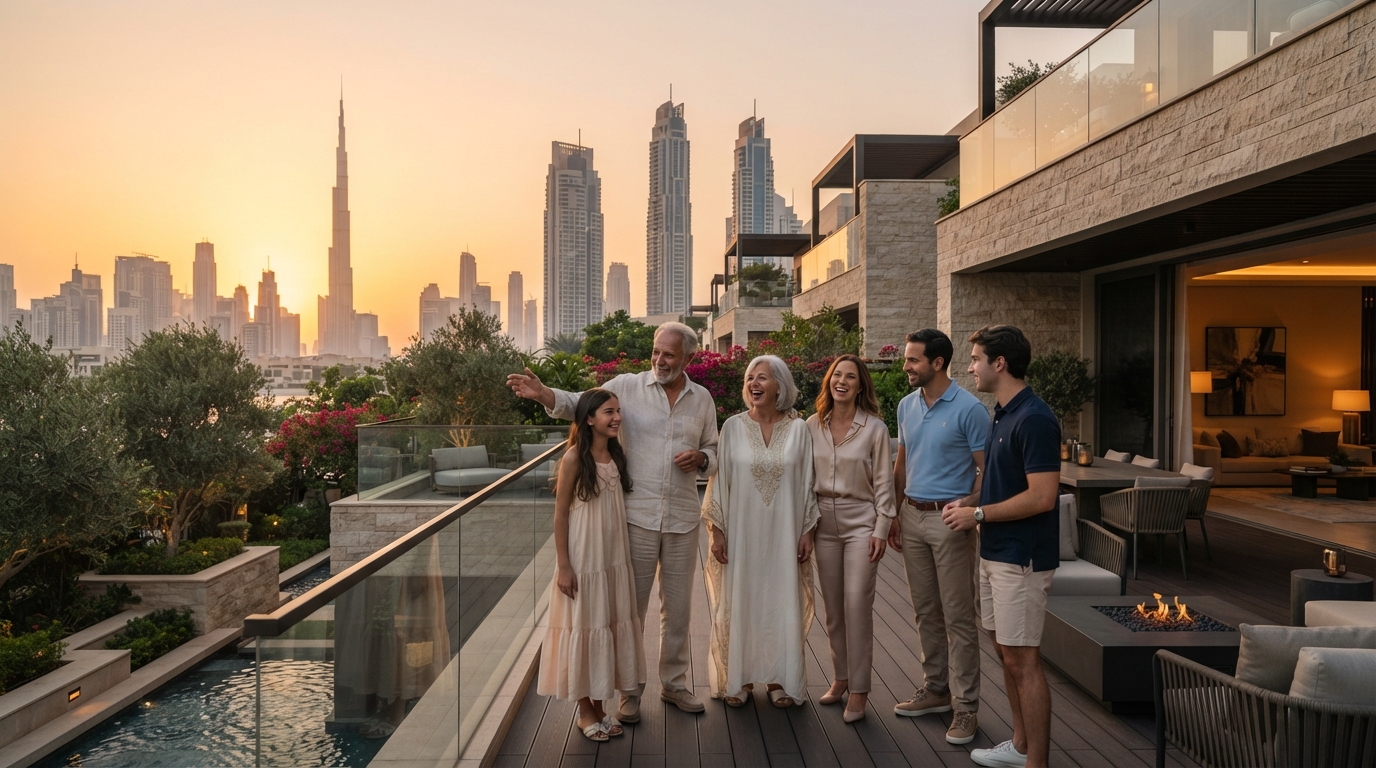
For non-Muslim foreign investors, Dubai property inheritance historically followed UAE Sharia law by default. This created uncertainty for many international buyers. However, Dubai established the DIFC Wills and Probate Registry specifically to address this concern.
Through the DIFC Wills Registry, foreign nationals can register a will that distributes Dubai assets according to their home country’s inheritance laws. This service ensures your freehold property passes to your chosen beneficiaries exactly as you intend. Investors who hold property through offshore companies can alternatively manage succession through corporate share transfers.
Common Misconceptions About Dubai Property Ownership
Several myths persist about foreign property ownership in Dubai. Clearing these up helps investors make decisions based on facts rather than outdated assumptions.
Myth: The Government Can Reclaim Your Property
Dubai’s freehold law grants unconditional ownership rights. The government does not reclaim freehold properties. Compulsory acquisition for public projects follows strict legal procedures with full market-value compensation, similar to eminent domain processes in Western countries.
This protection applies equally whether you can own property in Dubai forever as an individual or through a corporate structure. Your freehold rights remain intact regardless of your nationality, residency status, or length of ownership.
Myth: You Must Live in Dubai to Maintain Ownership
Freehold ownership carries no residency requirement. You can live anywhere in the world and maintain permanent ownership of your Dubai property. Thousands of global investors hold Dubai real estate without ever residing in the UAE.
You can manage your property remotely through licensed property management companies. Many investors who buy Dubai property remotely never visit the unit, yet earn consistent rental income year after year.
Myth: Freehold Only Lasts 99 Years
This confusion stems from the leasehold system. Leasehold properties carry fixed terms, often 99 years. Freehold properties carry no expiration whatsoever. The two systems are entirely separate. Always confirm you are purchasing freehold tenure before completing any transaction.
Your broker should verify the tenure status in writing before you sign the Sales Purchase Agreement. Every title deed clearly states whether the property is freehold or leasehold. Never assume based on marketing materials alone.
What Freehold Ownership Costs in Dubai
Understanding the financial commitment helps you plan effectively. Freehold ownership involves upfront transaction costs and ongoing annual expenses.
The Dubai Land Department charges a 4% registration fee at purchase. Agent commission typically adds 2% of the property price. Administrative and trustee fees range from AED 4,000 to AED 6,000. These costs apply equally to both individual and corporate buyers.
Annual service charges vary by community and building quality. Budget between AED 10 and AED 40 per square foot. Premium towers in Dubai Marina or Downtown Dubai sit at the higher end. Communities like JVC and Dubai South fall at the lower end. Understanding the full pros and cons of buying property in Dubai includes factoring these ongoing costs into your yield projections.
Entry points for freehold property start from approximately USD 70,000 for studios in emerging communities. Premium apartments in established areas begin around USD 250,000. Villas on Palm Jumeirah or Dubai Hills start above USD 1 million. Flexible, interest-free payment plans from developers like Emaar, DAMAC, Binghatti, Imtiaz, Ellington, and Omniyat lower the initial capital requirement significantly.
Frequently Asked Questions
Does freehold ownership in Dubai expire?
No. Freehold ownership in Dubai carries no expiration date. You own the property permanently with full rights to sell, lease, mortgage, or bequeath it. The Dubai Land Department registers your title deed without any time limitation.
Can I pass my Dubai property to my children?
Yes. You can bequeath your Dubai freehold property to any beneficiary. Non-Muslim foreign investors should register a will through the DIFC Wills and Probate Registry. This ensures your property transfers according to your wishes rather than the UAE default inheritance rules.
Do I need a residence visa to own freehold property in Dubai?
No. Property ownership does not require a UAE residence visa. However, purchasing property worth AED 2 million or more qualifies you for a 10-year Golden Visa. Ownership and residency are separate matters under Dubai law.
What happens if a developer goes bankrupt before completion?
RERA’s escrow system protects buyer funds during construction. If a developer faces financial difficulty, RERA intervenes to either reassign the project to another developer or arrange refunds from the escrow account. This regulation protects investors who can own property in Dubai forever once the project is completed.
How do I verify that a property is freehold before buying?
Request the title deed or Oqood (off-plan registration) document from the seller or developer. The Dubai Land Department’s Dubai REST app allows you to verify ownership and tenure status directly. Your RERA-licensed broker should confirm freehold status in writing before you sign any agreement.
Secure Your Permanent Stake in Dubai
You can own property in Dubai forever through the city’s well-established freehold system. Permanent ownership, zero rental income tax, yields between 8% and 12%, and Golden Visa eligibility create one of the strongest investment propositions in global real estate for 2026.
The legal protections are robust. The regulatory oversight is transparent. The ownership rights are unconditional. All that remains is choosing the right property, the right area, and the right partner to guide your investment.
Bright Realty International connects global investors with 100+ curated freehold projects from top developers. Start exploring your options today.Discover freehold opportunities at Bright Realty International.