



Dubai attracts more global property investors every year. The city offers tax-free rental income, world-class infrastructure, and entry prices that surprise most first-time buyers. But is it the right move for you?
Every investment carries risks alongside rewards. Understanding the pros and cons of buying property in Dubai helps you make a confident, informed decision. This guide breaks down the real advantages, the genuine risks, and what experienced investors consider before committing capital in 2026.
Why Global Investors Choose Dubai Property
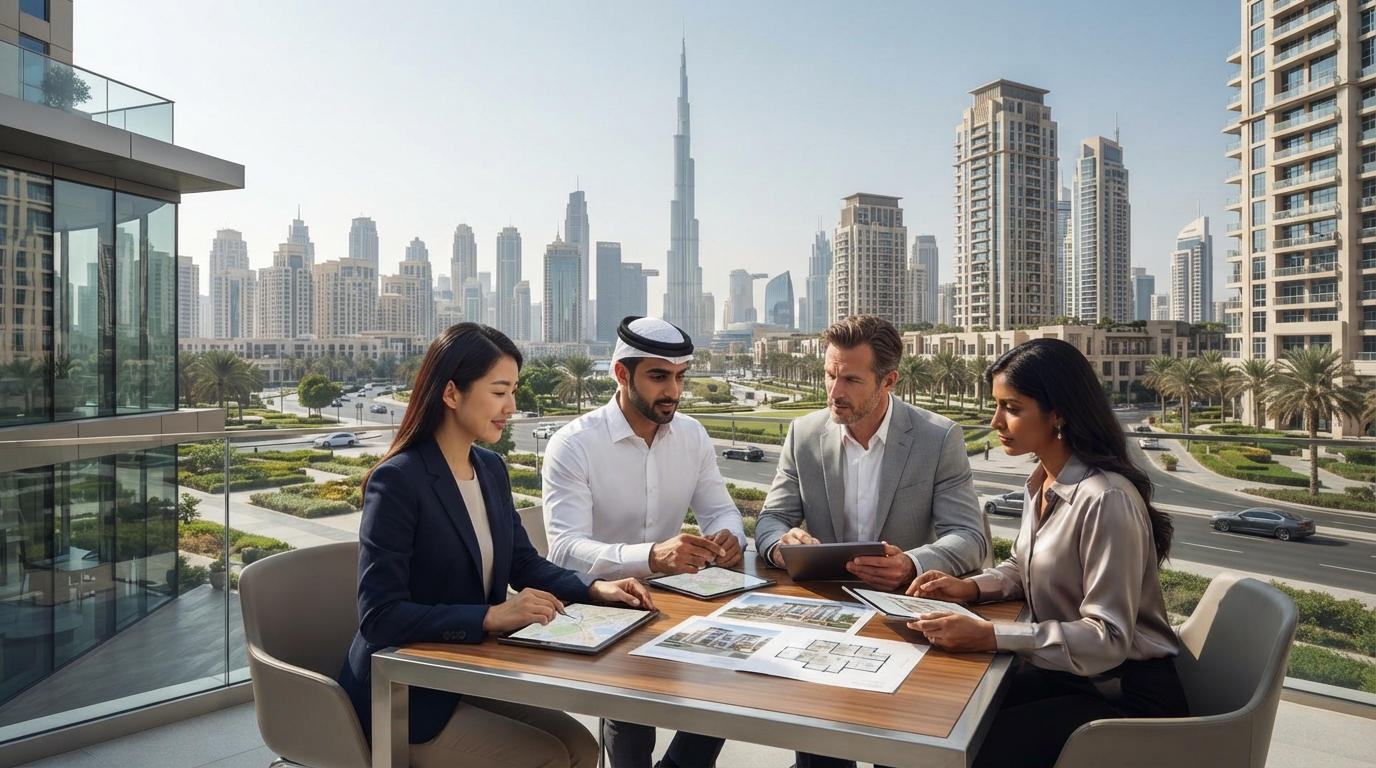
Dubai has evolved from a speculative market into a mature, regulated investment destination. The Dubai Land Department recorded over AED 760 billion in property transactions during 2025, confirming sustained global demand. (Source: Dubai Land Department)
Several factors make the city attractive to international buyers. The combination of zero income tax, high rental yields, and residency incentives creates a compelling case. Let us explore the pros and cons of buying property in Dubai in detail.
Tax-Free Rental Income
Dubai charges zero tax on rental income. Unlike markets in the UK, Australia, Canada, or the United States, investors keep 100% of their rental earnings. This single advantage significantly boosts net returns compared to most Western property markets.
For context, a rental property in London or Sydney might lose 20% to 40% of gross income to local and national taxes. In Dubai, that money stays in your pocket. This tax efficiency is one of the strongest pros of buying property in Dubai.
High Rental Yields Between 8% and 12%
Dubai consistently delivers rental yields between 8% and 12% across popular communities. Areas like Jumeirah Village Circle, Dubai Marina, and Business Bay attract strong tenant demand from a growing expatriate population.
According to Knight Frank’s 2025 Global Rental Index, Dubai ranks among the top five cities worldwide for gross rental yields. (Source: Knight Frank) These returns outperform most mature markets, where yields hover between 3% and 5%.
UAE Golden Visa Through Property Investment
Investors who purchase property worth AED 2 million or more qualify for a 10-year UAE Golden Visa. This residency benefit extends to family members. It provides long-term stability without requiring employment sponsorship.
The Golden Visa program has transformed Dubai’s appeal for global investors. It removes the uncertainty of short-term visas and creates a genuine pathway to establishing roots in the UAE.
Capital Appreciation Potential
Prime Dubai locations have delivered capital appreciation of 40% or more over recent cycles. Waterfront communities, Downtown Dubai, and emerging areas like Dubai South continue to attract developer interest and buyer demand.
Off-plan properties from developers like Emaar, DAMAC, Binghatti, and Ellington often appreciate significantly between launch and handover. This growth potential adds another layer to the buying property in Dubai pros and cons equation.
The Genuine Risks You Must Understand
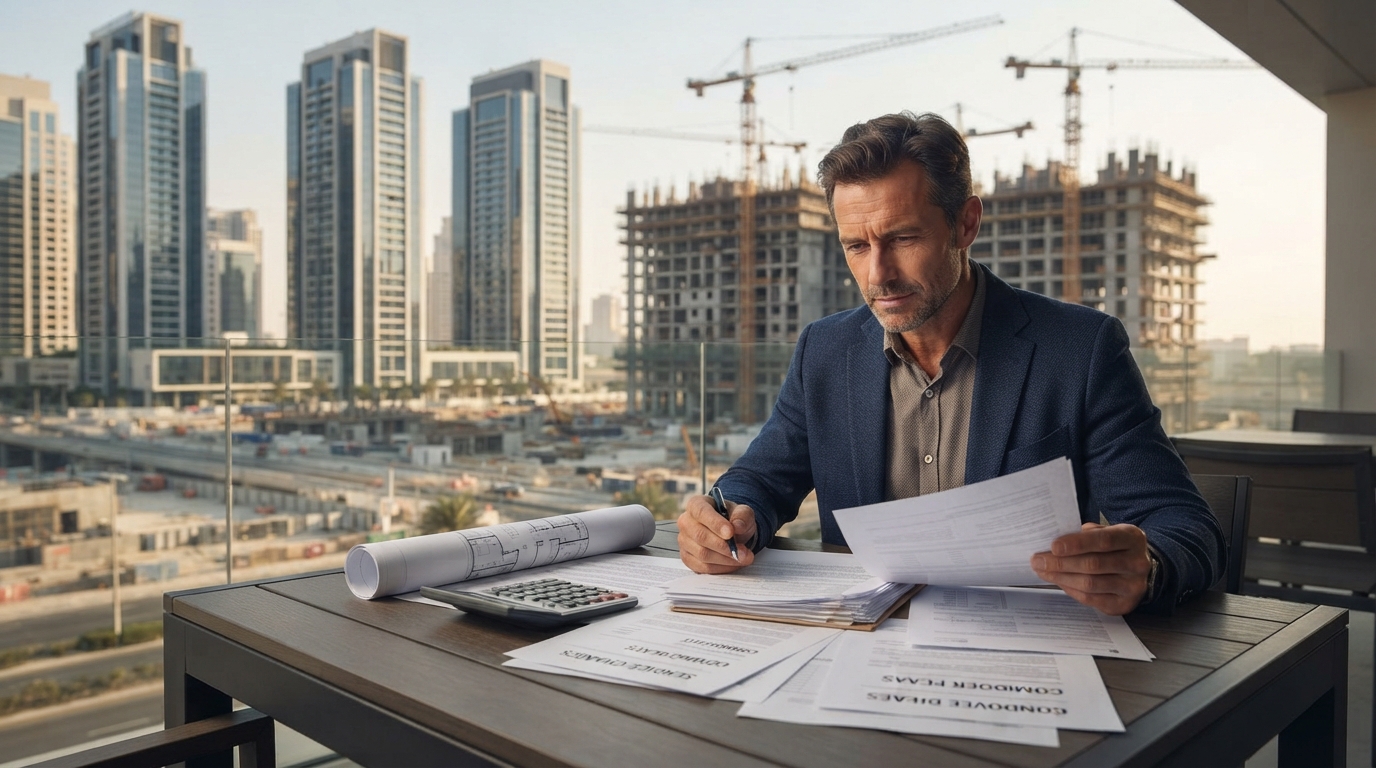
No investment is risk-free. Smart investors study the downsides just as carefully as the upsides. Here are the real risks of buying property in Dubai that every buyer should consider.
Market Cycles and Price Corrections
Dubai’s property market moves in cycles. Prices surged between 2013 and 2014, corrected through 2019, and then rebounded strongly from 2021 onward. Investors who bought at peak prices during previous cycles experienced temporary paper losses.
Understanding market timing matters. Buying during a correction or early growth phase delivers better outcomes than chasing a market that has already peaked. This cyclical nature is a key factor in the buying property in Dubai pros and cons analysis.
Off-Plan Delivery Delays
Off-plan projects sometimes face construction delays. While Dubai’s Real Estate Regulatory Agency (RERA) has tightened developer accountability, delays of 6 to 12 months still occur with some projects.
Choosing established developers with strong track records reduces this risk. Emaar, DAMAC, and Omniyat consistently deliver on schedule. Always verify the developer’s completion history before signing a Sales Purchase Agreement.
Service Charges and Hidden Costs
Annual service charges in Dubai vary significantly by community. Premium buildings in Dubai Marina or Downtown Dubai charge higher fees than mid-market communities. Buyers should factor these ongoing costs into their yield calculations.
Additional transaction costs include a 4% Dubai Land Department registration fee, agent commission (typically 2%), and mortgage registration fees if financing. These upfront costs impact your total investment outlay.
Currency and Repatriation Considerations
The UAE dirham is pegged to the US dollar at a fixed rate. This provides stability for USD-based investors. However, investors from countries with fluctuating currencies face exchange rate risk when converting returns back to their local currency.
The good news is that Dubai places zero restrictions on repatriating capital or profits. You can move your money freely in and out of the country.
How to Minimize Risks When Buying Property in Dubai

Understanding the pros and cons of buying property in Dubai is the first step. Taking practical steps to protect your investment is the next step.
Work With Licensed, Verified Professionals
Always purchase through RERA-registered brokers and developers. Bright Realty International connects global investors with 100+ curated projects from verified developers, including Emaar, DAMAC, Binghatti, Imtiaz, Ellington, and Omniyat.
Licensed professionals ensure your transaction follows Dubai’s strict regulatory framework. This protects your deposit, your contract terms, and your ownership rights.
Choose Freehold Zones Strategically
Foreigners can purchase property in designated freehold zones across Dubai. Popular freehold areas include Dubai Marina, Downtown Dubai, Palm Jumeirah, Jumeirah Village Circle, and Dubai Hills Estate.
Each area offers different yield profiles and growth potential. Research the community thoroughly before committing. Consider tenant demand, upcoming infrastructure projects, and developer reputation.
Start With Flexible Payment Plans
Many Dubai developers offer interest-free payment plans spread across construction timelines. Some projects require as little as 10% to 20% upfront. This flexibility allows investors to enter the market with lower initial capital.
Entry points start from approximately USD 70,000 for studio apartments in emerging communities. Premium properties in established areas command higher entry prices but often deliver stronger long-term appreciation.
What Makes 2026 a Strategic Year for Dubai Property
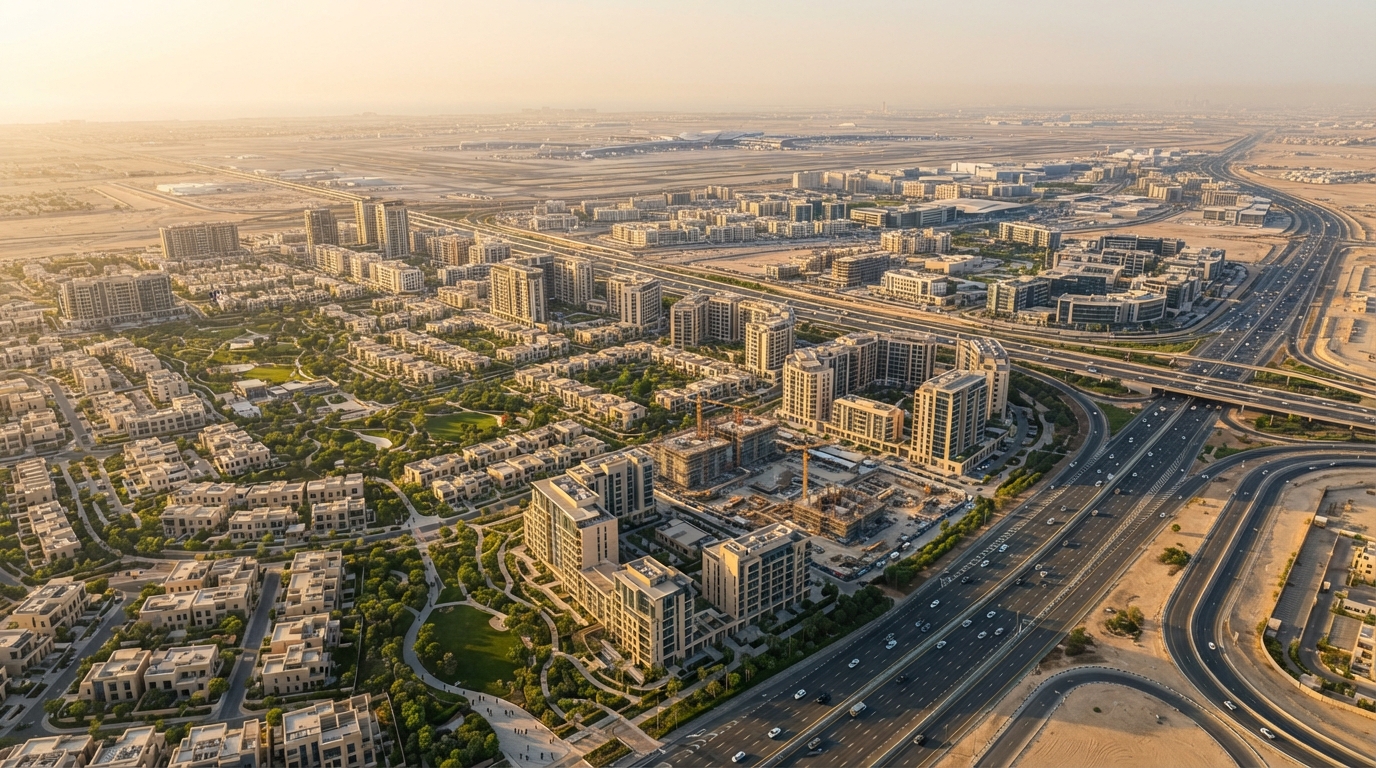
Several factors make 2026 particularly attractive for global investors weighing the pros and cons of buying property in Dubai.
Dubai continues to attract global talent through its favorable visa policies. Population growth drives rental demand. New infrastructure projects, including metro expansions and community developments, support property values in surrounding areas.
The Expo City Dubai legacy district is maturing into a thriving mixed-use community. Dubai South is expanding rapidly near Al Maktoum International Airport. These growth corridors offer early-mover advantages for investors who act now.
Frequently Asked Questions
Is buying property in Dubai a good investment in 2026?
Dubai offers rental yields between 8% and 12% with zero tax on income. Strong population growth and infrastructure development support continued demand. However, investors should research specific areas and developers carefully before committing.
What are the main risks of buying property in Dubai?
Key risks include market cycle fluctuations, potential off-plan delivery delays, and variable service charges. Currency exchange rates also affect returns for non-USD investors. Working with licensed professionals reduces most of these risks significantly.
Can foreigners buy property in Dubai permanently?
Yes. Foreigners can purchase freehold property in designated zones across Dubai. Freehold ownership grants full, permanent rights to the property. Investments of AED 2 million or more also qualify for a 10-year Golden Visa.
What hidden costs should I expect when buying property in Dubai?
Budget for a 4% Dubai Land Department registration fee, 2% agent commission, and any applicable mortgage registration fees. Annual service charges vary by community and building quality. Factor these into your yield calculations.
How do I start buying property in Dubai from overseas?
You can purchase Dubai property entirely remotely through a licensed broker. Bright Realty International guides international investors through every step, from property selection to final registration. Visitbrightrealtyinternational.com to explore 100+ curated projects.
Your Next Step Starts Here
The buying property in Dubai pros and cons favor prepared investors who understand both the rewards and the risks. Dubai’s tax-free environment, strong rental yields, and Golden Visa program make it one of the most attractive global property markets in 2026.
Bright Realty International helps investors from around the world access verified Dubai projects with confidence. Connect with our team today to explore curated opportunities from top developers. Your Dubai investment journey starts with a single conversation.
Register for a free consultation at Bright Realty International.